
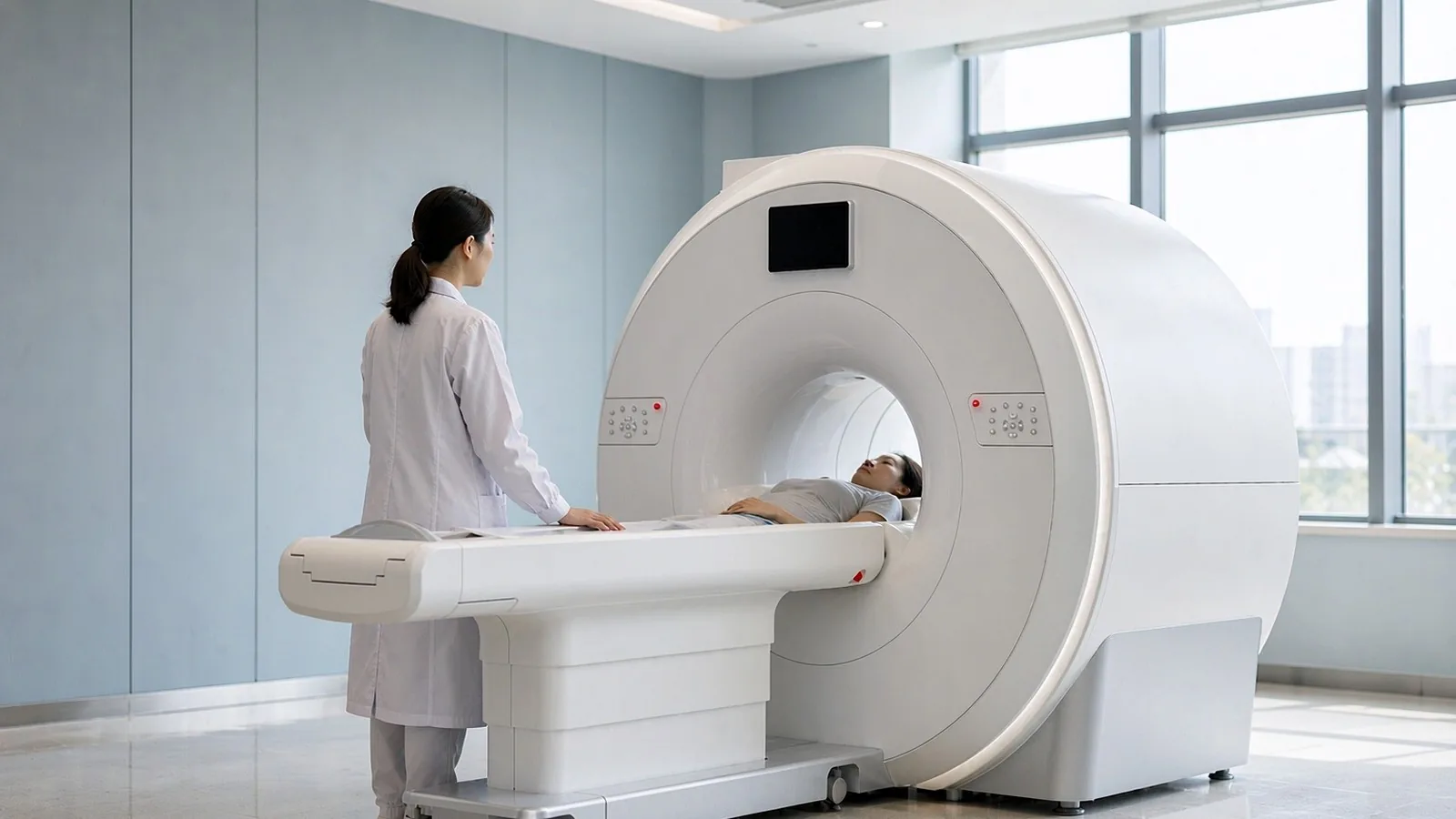
Hospital rehabilitation and pain departments serve diverse clients with varied needs. Configuration is not only about single-unit performance but a balance across department space, staffing schedules, intake workflows and record standards.
Yuanxi institutional systems centre on steady high fields, rotating fields and neuromodulation, and can connect with existing assessment, treatment and follow-up workflows. The content below explains configuration thinking; final plans are set jointly by department heads and specialists considering the site, qualifications and service scope.
Treatment rooms are limited, so device size, bed turnover and waiting areas need coordinated planning.
Operators interpret workflows and parameters differently, making standardisation hard to sustain.
Assessment, treatment and follow-up records are scattered across paper and separate systems, with no continuity.
Many device categories, with little cross-comparison against real departmental needs.
Product categories relevant to this scenario are listed below. Actual configuration depends on the site, staffing and service scope and is not a fixed package.
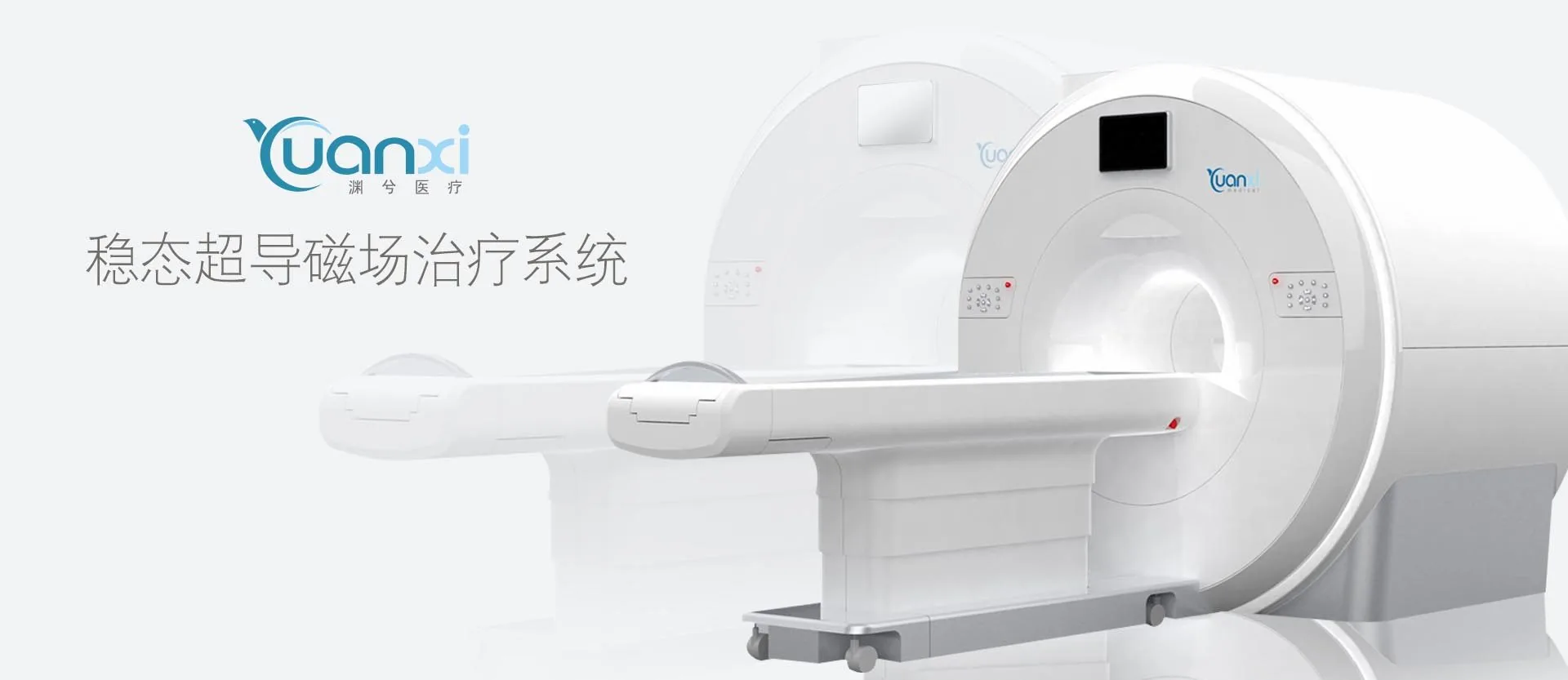
Steady High-Field System Using Superconducting Magnets
Explore Solutions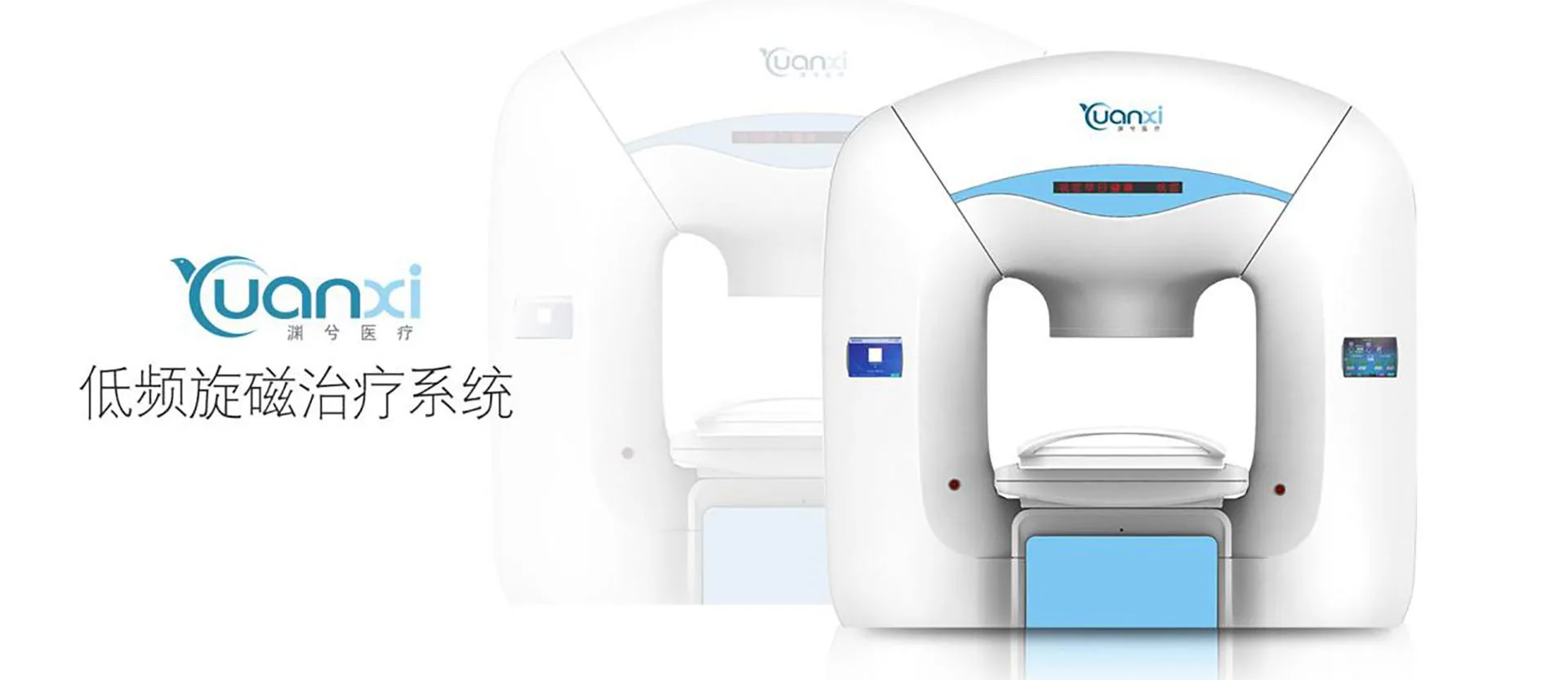
Low-Field Device for Primary and Community Care
Explore Solutions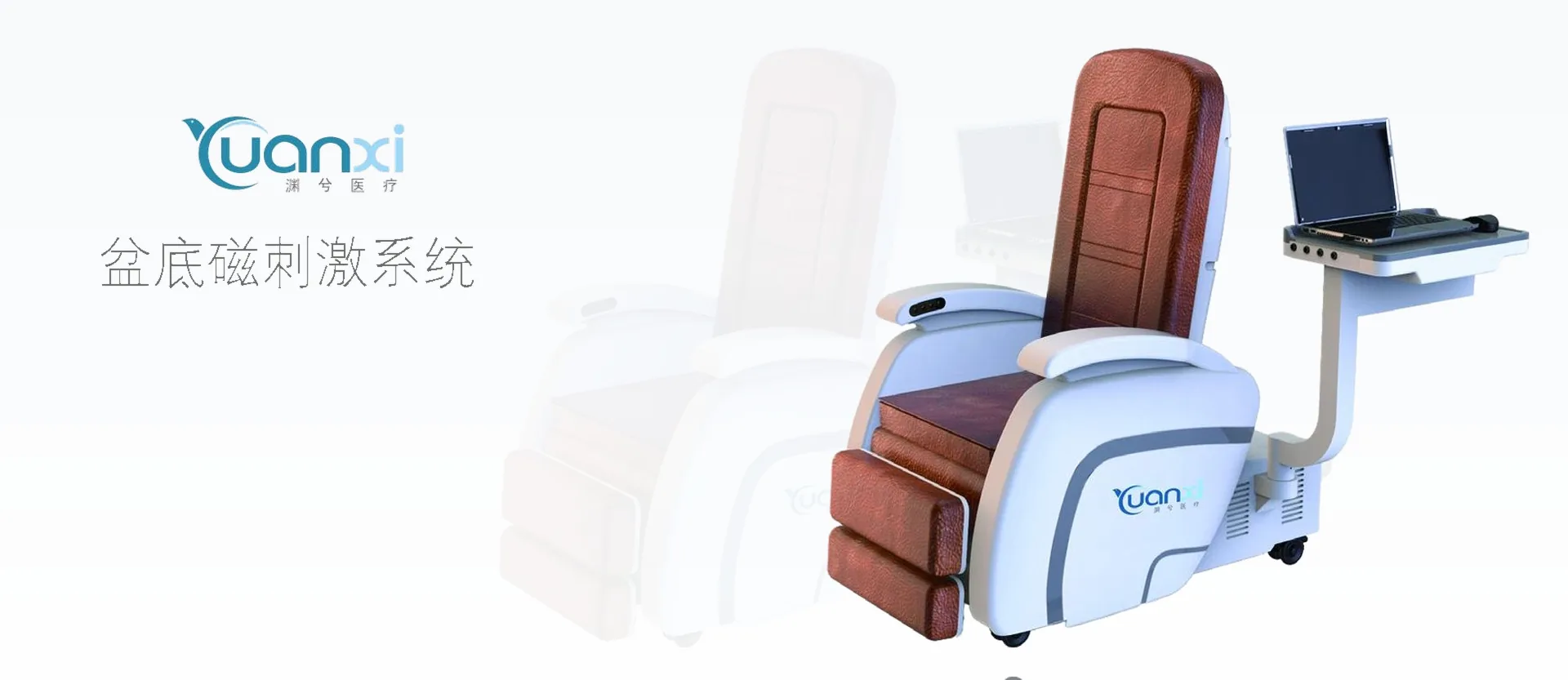
Seated Pelvic Floor Magnetic Stimulation Device for Institutions
Explore Solutions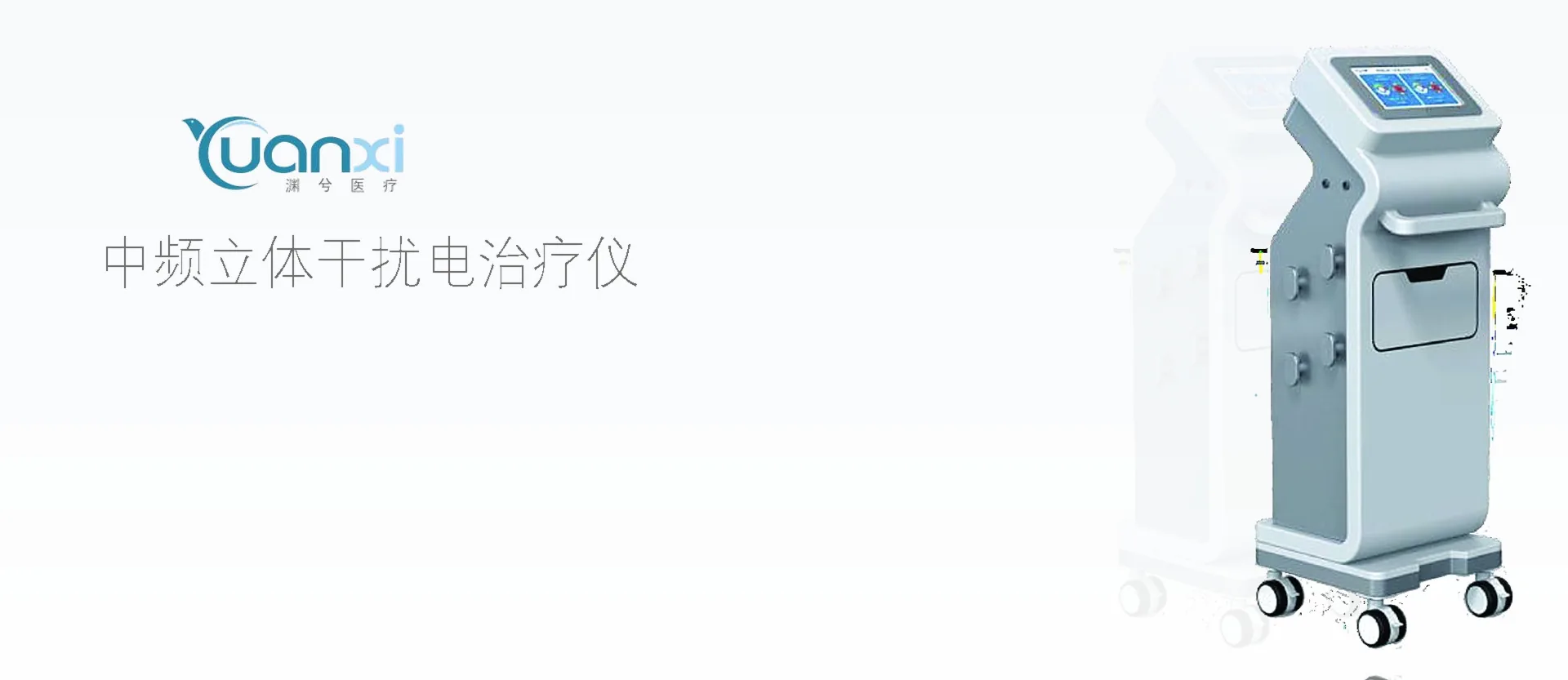
Multi-channel Physical Factor Rehabilitation Device
Explore Solutions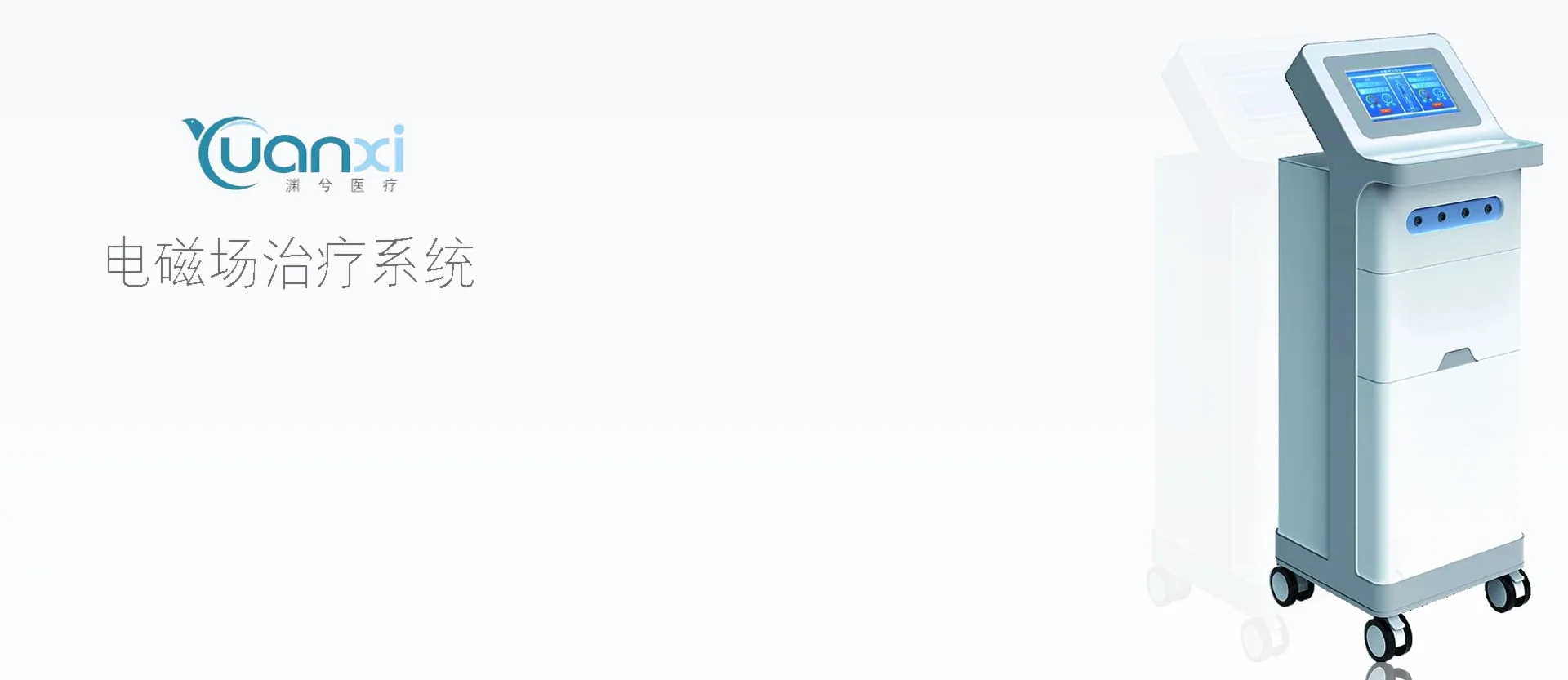
Rehabilitation System Using Electromagnetic Fields as the Acting Factor
Explore Solutions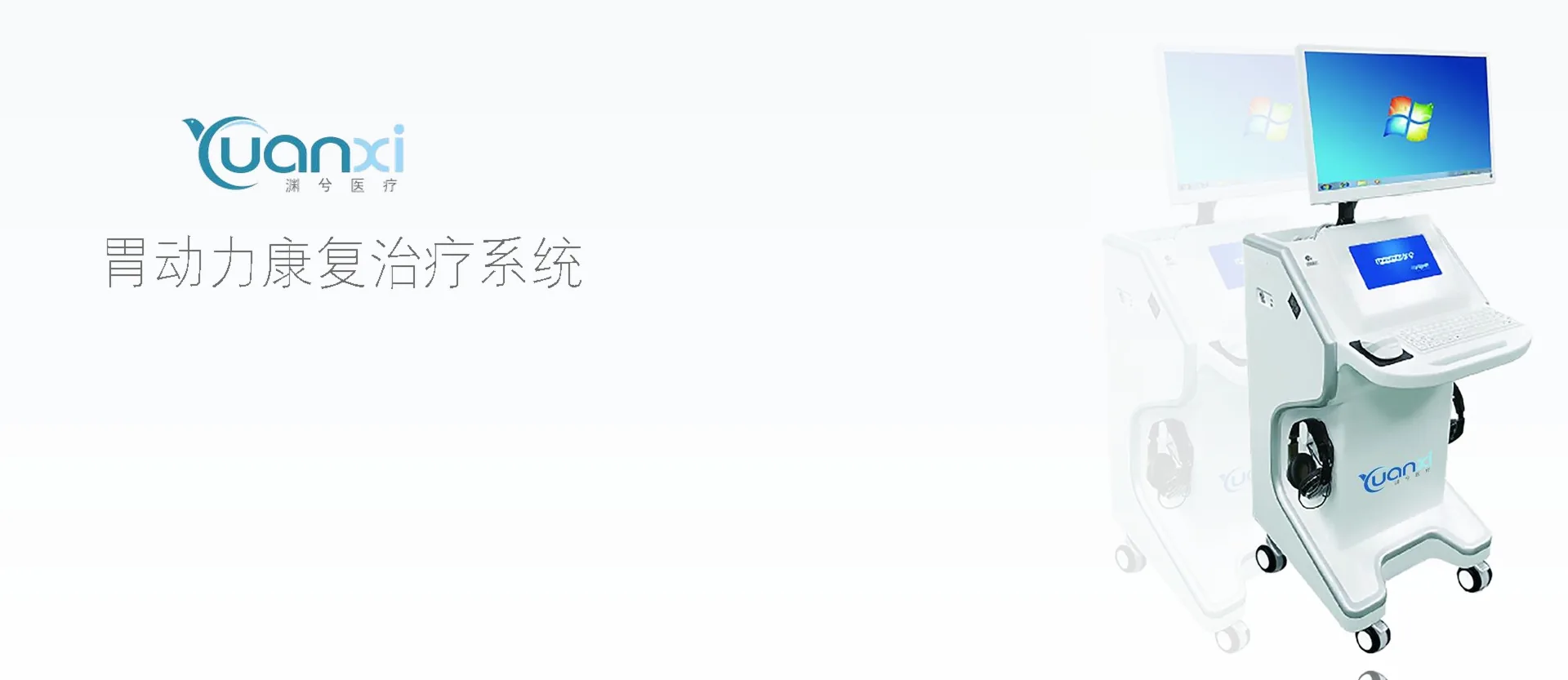
Mobile Rehabilitation Device for Gastroenterology
Explore Solutions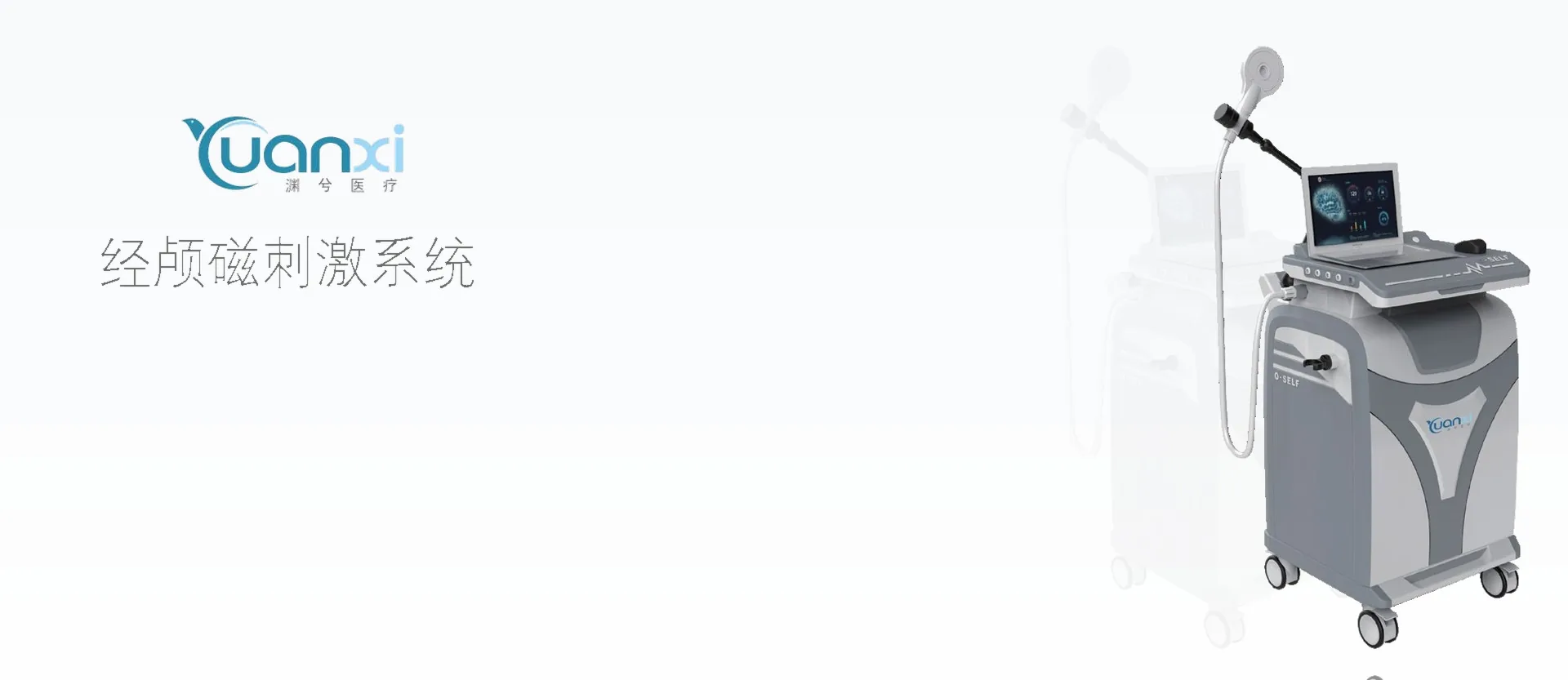
Physical Factor Diagnostic and Therapeutic System for Neuromodulation
Explore SolutionsHelp shape a configuration approach based on institution type, site conditions and service goals.
On-site installation, operator training and workflow handover after delivery.
Maintain service records and provide repairs and technical support under the warranty policy.
Collect usage feedback regularly and help institutions refine service workflows.
Images are illustrative application scenes, not real cases, and do not describe efficacy, indications or actual service outcomes.